
Introduction
Every business tells a story through its products, its customer service, and even the way it responds when things go wrong. The story people believe and retell about your brand is what makes up your reputation. Sometimes it’s built slowly, through years of consistency and trust. Other times, it can be reshaped overnight by a single customer review or a trending post.
That’s the power of brand reputation: it determines whether people choose you, trust you, and stay loyal to you or move on to the next option.
What is Brand Reputation?
Brand reputation is the collective public perception of your company. It encompasses how customers, employees, partners, and the broader public perceive and feel about your business at every touchpoint, both online and offline. From your logo and customer service to your social media interactions and company values, every detail contributes to shaping your reputation. Brand reputation reflects what people think, believe, and feel when they hear your name.
Why Brand Reputation Matters
For business owners and brand managers, a positive brand reputation is one of the most valuable assets you can have. It delivers benefits that go far beyond sales:
- Builds customer loyalty and advocacy.
When customers trust your brand, they don’t just buy once; they return. Loyal customers also become advocates, recommending your business to friends and family. This kind of organic word-of-mouth is more powerful than any ad campaign.
- Gives you a competitive edge
In industries where products and services look alike, reputation becomes the deciding factor. A respected name makes your business the go-to choice, even in crowded markets.
- Attracts top talent
A good reputation doesn’t just bring in customers; it draws in skilled professionals who want to work for a company they respect. This fuels innovation and performance from within.
- Strengthens crisis management
No brand is perfect. Mistakes happen. But when your reputation is strong, people are more forgiving. They give you the benefit of the doubt, which helps maintain stability even in tough times.
In short, brand reputation is the invisible currency that builds trust, strengthens loyalty, and powers long-term growth.
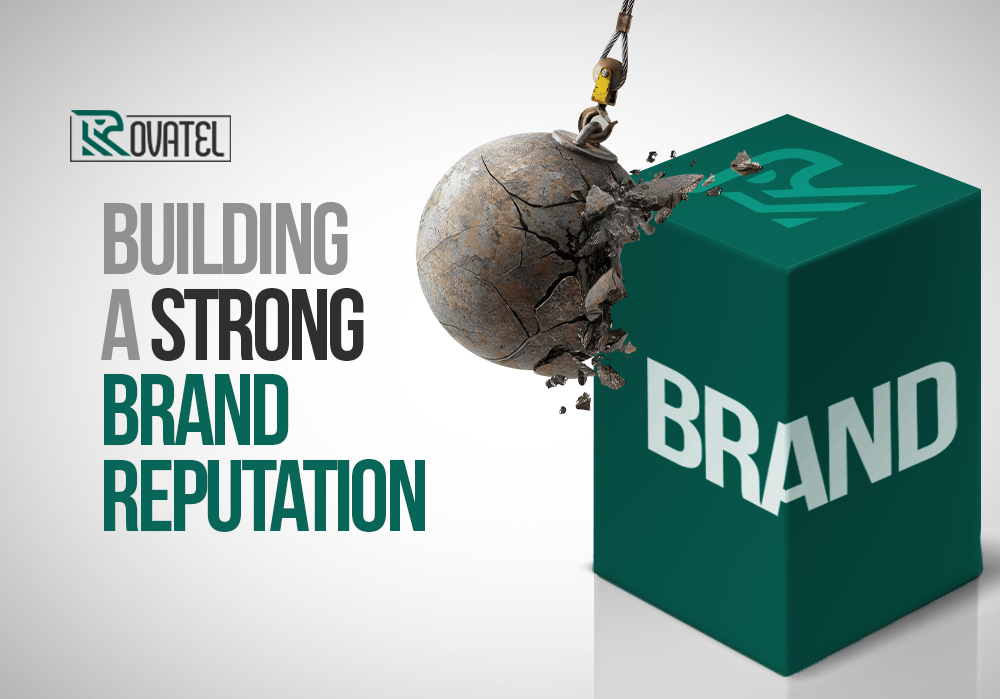
Key Factors That Shape Brand Reputation
Your reputation is influenced by more than what you sell. The biggest drivers include:
- Product or service quality.
- Customer service.
- Social media presence.
- Company values.
- Marketing and advertising.
How to Build and Manage a Strong Brand Reputation
A good brand reputation is built intentionally, shaped daily, and managed with care. To strengthen yours, you need to be both proactive (creating positive impressions before people form opinions on their own) and reactive (responding well when issues arise).
Let’s break down the key strategies that actually work:
1. Define and Reinforce Your Brand Identity
Your brand identity is the backbone of your reputation. It’s not only your logo or colour scheme, it’s your mission, values, voice, and the promises you make to your customers. A clear, consistent identity helps people recognise and trust you.
Think of Coca-Cola: for over a century, its messaging has centred on happiness and togetherness. The consistency in their advertisements, packaging, and overall experiences makes them instantly recognisable and globally trusted.
Practical tip: Create a brand style guide that documents your mission, values, tone of voice, and design standards. Ensure every employee and partner communicates in line with it. Consistency breeds credibility.
2. Actively Listen and Respond to Feedback
Reputation is built one interaction at a time. Customers pay attention not only to what you sell but to how you respond when they speak up. Ignoring feedback, whether praise or complaint, can quietly erode trust.
Instead, encourage reviews, reply to them, and be transparent when something goes wrong. A polite, thoughtful response to a negative comment often wins more goodwill than silence.
Example: A customer who complains about delayed delivery may not expect perfection, but if your team apologises, explains, and offers a solution, that moment of honesty can turn frustration into loyalty.
3. Strengthen Your Social Media Presence
Social media is today’s “public square.” It’s where people form quick judgments about your brand. A bland or inconsistent presence makes you forgettable, while meaningful interactions build a human connection.
Don’t just post promotional content. Share valuable insights, highlight customer stories, and express personality in your responses. Engagement should be two-way. Dedicate time each day to reply to comments and messages. Customers will remember when they feel acknowledged.
4. Take Care of Employee Satisfaction
Employees are often overlooked in reputation management, yet they are your brand’s most powerful ambassadors. A toxic workplace spills into public perception, while happy employees proudly share their positive experiences.
Practical tip: Prioritise fair treatment, clear communication, and growth opportunities. The better your internal reputation, the stronger your external one will be.
Conclusion
A strong brand reputation doesn’t come from what you say about yourself; it comes from what others experience. Every review, every customer interaction, every post online contributes to how people see you. That’s why reputation is both fragile and powerful: fragile because one careless action can harm it, powerful because when it’s nurtured, it becomes the foundation of trust, loyalty, and growth.
At Rovatel Media, we believe reputation is your brand’s reality. Through digital storytelling, consistent messaging, and strategic reputation management, we help businesses not just be seen, but be trusted. Because in the end, your brand is only as strong as the reputation it carries.