An integrated marketing campaign brings different marketing channels together around one clear message, letting brands reach their audience at different touchpoints while creating a connected brand experience.
Think about how you come across brands every day. You might see a billboard on your way to work, notice the same campaign on Instagram later, watch a video about the product, and then encounter the brand at an event. Each interaction may look different, but the idea behind them is the same.
That is the thinking behind integrated marketing.
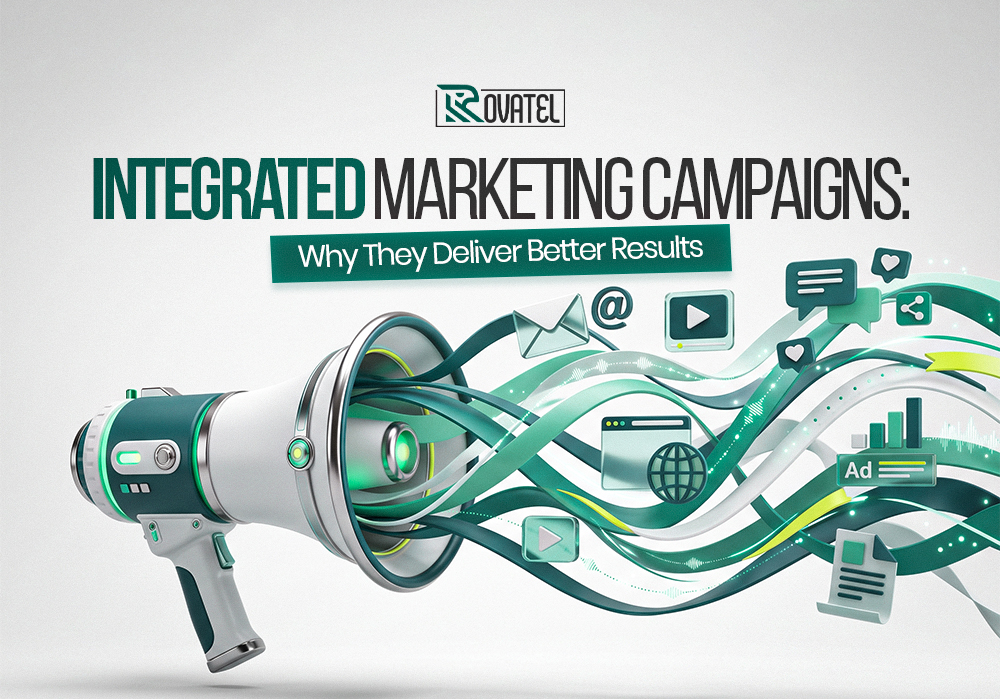
Rather than treating OOH advertising, social media, digital advertising, PR and brand activations as separate activities, an integrated campaign gives each channel a role to play in one bigger strategy.
In this blog, we’ll explain what integrated marketing means, how it differs from single-channel advertising, why it can deliver better results, and how brands can build campaigns where different marketing efforts work together.
What Is an Integrated Marketing Campaign?
An integrated marketing campaign is a coordinated campaign where different marketing channels communicate a consistent message and work towards the same business objective.
The important word here is “integrated”.
Simply using several platforms does not automatically make a campaign integrated. A brand could run a billboard, post on Instagram, send emails and organise an event, but if each activity has a different message or is working towards a different goal, the campaign can feel scattered.
A strong marketing campaign strategy starts with one central idea and then adapts that idea to the channels that make sense for the audience.
For example, a product launch could use:
- OOH advertising to create awareness among a large audience.
- Social media to build conversations and encourage engagement.
- PR to provide credibility and tell the bigger story behind the launch.
- Digital advertising to stay in front of people who have already shown interest.
- Brand activations to give customers a chance to experience the product.
The channels are different, but they are all telling the same story.
Why Does Integrated Marketing Work?
People do not interact with brands in only one place. For example, a customer might discover a brand through an outdoor advert and later search for it online. They could check its social media page, read reviews, see another digital advert and eventually decide to buy. This is where cross-channel marketing becomes useful. Instead of expecting one advertisement to take someone from awareness to purchase, different touchpoints can support the customer at different stages.
An integrated campaign can also help brands build stronger brand consistency. Every channel has its own format and audience behaviour; however, the central message, visual identity and personality should still feel connected across each channel. When customers repeatedly encounter a familiar idea across different touchpoints, the brand becomes easier to recognise and remember.
There is also the advantage of reach. Different channels give a campaign more opportunities to connect with people who may have missed the first interaction. That matters because seeing something once does not always mean remembering it.
The Right Channels Matter More Than More Channels
Integrated marketing does not mean your brand needs to advertise everywhere. Trying to use every available channel can make a campaign harder to manage, more expensive, and less focused.
The better question is, where does your audience need to meet your message?
Before choosing your channels, consider:
- Who are you trying to reach?
- Where do they spend their time?
- What do you want them to do?
- Which channels can help you achieve that?
- How can each channel contribute to the same campaign idea?
The answers should shape your campaign strategy.
The goal is not to be everywhere. It is to be where it matters, with a message that people can recognise, understand and remember.
Conclusion
A strong integrated marketing campaign brings different parts of your marketing together and gives each one a clear role. When each touchpoint is built around one clear idea, they can reinforce one another and create a more consistent customer journey. But getting that right takes more than being present on multiple platforms. It takes a clear understanding of the audience, a strong campaign idea, the right mix of channels and careful execution.
At Rovatel Media, we bring these elements together to help brands build campaigns that connect with people and move them to action. Our work cuts across strategy, creative, media, digital marketing, OOH, PR and brand activations, depending on what the campaign needs.
If you are planning a campaign and want to make sure the different pieces work together, talk to Rovatel Media. Let’s build a campaign that gets noticed for the right reasons.