
Market activation is a marketing buzzword that is frequently used, yet many, especially beginners, may not fully understand its practical application. The good news is that it’s much simpler than it seems.
In this guide, we will clearly explain what market activation is, its significance, and how it relates to experiential marketing, providing straightforward examples such as pop-ups, sampling, and events.
What Is Market Activation?
Market activation is a marketing strategy that focuses on encouraging people to interact with a brand in real life or in real-time. Instead of just seeing an ad, people get to experience the brand by trying a product, attending an event, or engaging directly with it.
In simple terms, market activation turns awareness into action. It’s about moving people from “I’ve heard of this brand” to “I’ve experienced this brand.”
Rather than talking to customers, market activation invites them in by;
- Creating moments
- Sparking curiosity
- Encouraging participation
- Making the brand memorable
What Is Experiential Marketing? (For Beginners)
Experiential marketing is a type of marketing that focuses on creating experiences rather than just conveying messages. It’s all about how a brand makes people feel.
Experiential marketing and market activation are closely connected:
- Experiential marketing is the experience
- Market activation is how that experience is brought to life
In most cases, market activation uses experiential marketing to connect with people in meaningful ways.
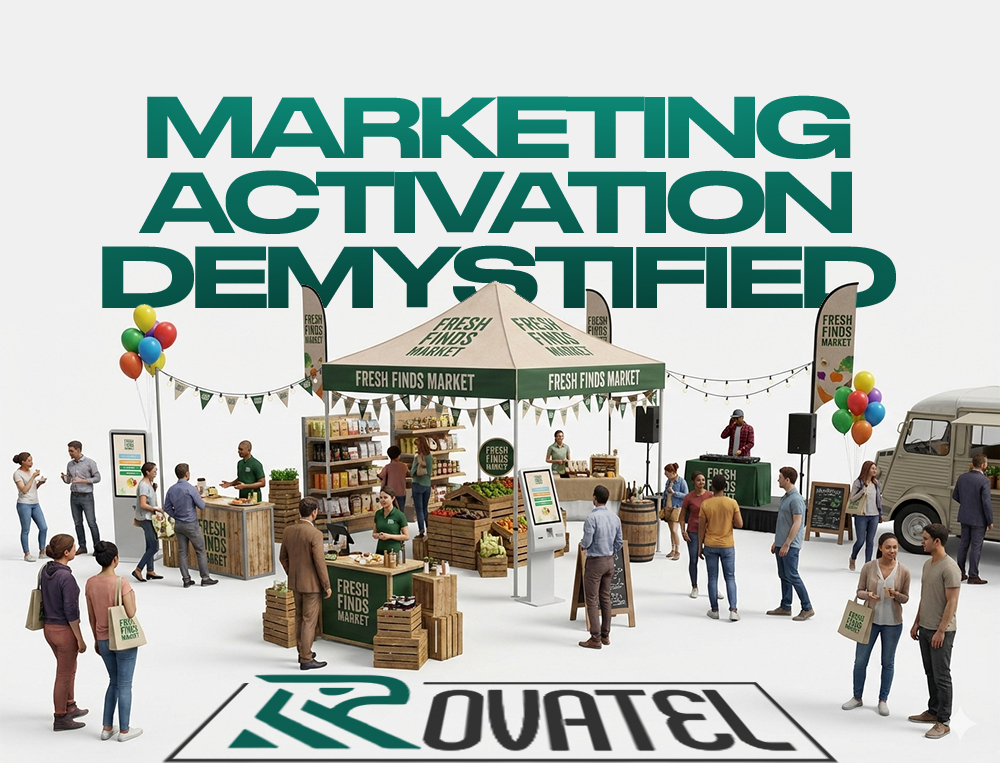
Simple Market Activation Examples You See Every Day
Major brands like Chowdeck, Unilever, and Dufil utilise market activation. Market activation doesn’t need to be large, costly, or complicated. Here are a few examples of market activation that you might have encountered:
- Pop-Up Shops
Pop-up shops are temporary retail spaces set up for a short duration in locations such as malls, streets, or events. These immersive environments are designed to create buzz, provide unique brand experiences, and connect directly with customers in high-traffic areas. They serve as powerful tools for brand awareness, market testing, and generating urgency through exclusivity and real-world interaction. Pop-up shops allow brands to test new products, engage with their audiences, and build excitement without the commitment of a permanent store.
They work because:
- They feel exclusive
- They create curiosity
- They encourage people to walk in and explore
For example, a fashion brand setting up a weekend pop-up to showcase a new collection is market activation in action.
2. Product Sampling
Have you ever been offered a free drink, snack, or skincare sample? That’s called market activation. It involves distributing free product samples to potential customers in high-traffic areas or at events such as festivals, malls, or offices. This strategy allows people to try products before they buy them, helping to build brand awareness and trust. It encourages immediate or future purchases by creating a memorable and risk-free experience for the consumer.
This is especially powerful for new products or brands entering a new market.
3. Brand Events & Activations
Brand events can be small or large, from campus roadshows to product launch events.
What matters most is interaction, which includes:
- Games
- Demos
- Live experiences
- One-on-one engagement
The focus isn’t hard selling. It’s creating memorable connections and driving specific behaviours
Key Benefits of Market Activation
Here’s why many brands invest in market activation:
- Stronger brand awareness
Market activation helps people remember a brand because they experience it in real life, and experiences are easier to recall than traditional advertisements.
- Higher engagement
Market activation increases engagement by encouraging people to interact with the brand directly instead of just watching or scrolling past an ad.
- Faster trust-building
Trust is built faster when customers can see, touch, or try a product themselves, making the brand feel more real and reliable.
- Word-of-mouth marketing
When people enjoy a brand experience, they naturally talk about it with friends, family, or online, helping the brand spread organically.
- Better customer insights
Market activation gives brands the chance to observe real customer reactions and receive instant feedback, which helps improve future marketing efforts.
Conclusion
Market activation doesn’t have to be intimidating. At its core, it’s about creating meaningful experiences that bring brands closer to people. By using simple experiential marketing ideas, brands can move beyond ads and start building real connections.
At Rovatel Media, this is exactly what we do. We help brands design and execute market activation and experiential marketing campaigns that feel human, engaging, and results-driven. From planning the right activation idea to bringing it to life on the ground, our focus is on creating experiences your audience will remember.
If you’re ready to move beyond traditional ads and start building real connections with your customers, Rovatel Media is here to help. Let’s activate your brand and turn everyday interactions into lasting impressions.
Get in touch with Rovatel Media today, and let’s bring your brand to life.